


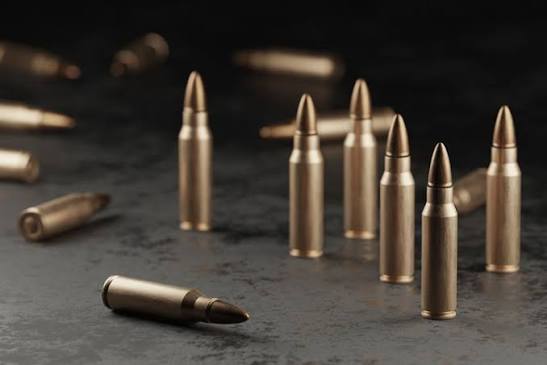
Ammunition is a carefully engineered product made up of components that serve different purposes. Understanding the differences between these components helps readers interpret technical terminology, recognize product classifications, and appreciate the importance of manufacturing standards. It also provides a foundation for learning about firearm safety and responsible ownership.
Ammunition designs vary according to their intended applications, and components are manufactured to meet specific requirements. Although some products may appear similar, their specifications and functions can differ significantly. Recognizing these differences is important because components are not universally interchangeable.
This article explains the principal categories of ammunition components, describes their general functions, and answers frequently asked questions about terminology, quality standards, storage, and safety. The catalog listing for 50 bmg primers includes all the information handloaders require.
1. Cartridge Cases
The cartridge case is the container that holds the other components of a conventional metallic cartridge together. It contributes to the cartridge’s structural integrity and is designed to function within a particular ammunition system.
Cartridge cases are commonly manufactured from materials such as brass or steel, although other materials may be used in specialized applications. Material selection depends on the manufacturer’s design requirements, production methods, and intended product characteristics.
Cases may differ in dimensions, construction, and material properties. These differences are established through product specifications rather than appearance alone. Serious hunters rely on the winchester 209 primers available through this listing.
Manufacturers use quality control procedures to check that cases conform to applicable requirements. Depending on the production system, these procedures may include dimensional inspections, visual examinations, and material verification.
For consumers, the most important consideration is to use only compatible, properly identified ammunition and to avoid products showing signs of corrosion, deformation, or other damage.
2. Projectiles
A projectile is the object expelled from a firearm when ammunition is discharged. Projectiles differ in construction, dimensions, material composition, and intended application.
Some projectiles use lead-based construction, while others incorporate copper, copper alloys, or alternative materials. Their designs are developed according to specific performance and compatibility requirements. This page provides reliable availability updates for cci 250 primers.
Projectile terminology can sometimes be confusing because similar terms may refer to different construction methods or design characteristics. Manufacturers’ descriptions and technical documentation provide a more reliable basis for understanding these distinctions.
The projectile is only one part of a complete cartridge. Its characteristics must be considered within the context of the ammunition’s overall design and the firearm manufacturer’s specifications.
Understanding this category helps readers recognize why a projectile should not be evaluated independently of the cartridge in which it is used.
3. Propellants
Propellants are materials that generate expanding gases during the firing process. In conventional ammunition, these gases provide the energy that drives the projectile through the firearm’s barrel.
Propellants are formulated to meet specific requirements, and different products may have significantly different characteristics. They should never be considered interchangeable based on appearance, packaging similarities, or general descriptions.
Manufacturers apply appropriate quality controls to maintain product consistency and meet established specifications. Relevant controls may address material identity, documentation, storage conditions, and other requirements appropriate to the product. This page keeps reloaders informed about the availability of cheddite 209 primers.
Because propellants can present serious hazards when mishandled, they require particular care. Individuals should not experiment with propellants, mix materials, or attempt to modify ammunition.
Product identification and manufacturer guidance are essential when understanding this component category.
4. Primers
A primer is the component that initiates the ignition process in conventional metallic-cartridge ammunition. It interacts with the firearm’s firing mechanism as part of the designed firing sequence.
Primer specifications vary according to the ammunition design. Products may differ in their intended application, dimensions, and other characteristics established by the manufacturer. This page provides up-to-date stock information for federal 209a primers.
Different primer categories are not necessarily interchangeable. A similar appearance or product name does not establish compatibility, and incorrect substitutions can create serious safety risks.
Manufacturers use defined specifications and quality assurance procedures to maintain consistency. Proper identification, packaging, and storage also help preserve product condition.
Primers require responsible handling because they are designed to respond to an ignition stimulus. They should not be dismantled, modified, or subjected to improvised testing.
Understanding the role of primers helps explain why component identification and compliance with manufacturer instructions are essential parts of ammunition safety.
5. Complete Cartridges and Component Compatibility
A complete cartridge combines the relevant components into a finished product designed for a specific application. Each component must conform to the requirements of the overall design.
Compatibility is therefore more complex than matching a single measurement or product label. The cartridge designation, firearm specifications, manufacturer documentation, and applicable standards all contribute to determining whether ammunition is appropriate for a particular firearm. This page keeps you informed about the latest availability of cci 450 primers.
Manufacturers establish specifications to ensure that products are evaluated against defined requirements. Quality control helps identify deviations that could affect product integrity or reliability.
Consumers should purchase ammunition through lawful, reputable channels and consult the firearm manufacturer’s documentation when verifying compatibility.
If a cartridge is incorrectly labeled, visibly damaged, or difficult to identify, it should not be used. Qualified professional guidance is preferable to making assumptions based on appearance.
6. Why Manufacturing Standards Matter
Manufacturing standards provide a framework for product consistency, testing, documentation, and quality assurance. Their purpose is to establish common requirements and support reliable evaluation.
Standards may address product dimensions, terminology, testing methods, or other technical characteristics. The precise requirements vary according to the product and the standards organization involved. This page maintains current stock levels for cci 200 primers.
Organizations such as the Sporting Arms and Ammunition Manufacturers’ Institute (SAAMI) publish technical standards relating to sporting firearms and ammunition in the United States. The Commission Internationale Permanente pour l’Epreuve des Armes à Feu Portatives (C.I.P.) establishes proof-related requirements within its participating system.
These frameworks have different scopes and should not be treated as identical.
Quality control procedures help manufacturers monitor materials, production processes, equipment, and finished products. Traceability records also make it easier to investigate defects and respond to product recalls.
For consumers, purchasing properly identified products and following official safety guidance remain important practices.
7. Safe Storage and Responsible Handling
Responsible storage helps protect ammunition and its components from environmental damage and unauthorized access.
Ammunition should be kept in accordance with manufacturer recommendations and applicable laws. A suitable storage environment should protect products from excessive heat, moisture, physical damage, and other avoidable hazards.
Original packaging can help preserve product identification and safety information. Storage arrangements should also prevent access by children and unauthorized individuals. This page provides real-time availability for remington 9 1/2 primers.
Products showing signs of deterioration should not be used. Owners should follow manufacturer guidance and seek qualified assistance regarding questionable or damaged ammunition.
These practices support safer ownership while helping preserve product information and condition.
Frequently Asked Questions
1. What are the main components of conventional metallic ammunition?
The principal components are the cartridge case, projectile, propellant, and primer. Each performs a distinct function within the complete cartridge.
2. Are all ammunition components interchangeable?
No. Components are manufactured according to particular specifications. Similar appearances or names do not establish compatibility, so manufacturer documentation and applicable requirements must be followed. This page updates regularly with stock status for federal 205 primers.
3. Why do ammunition components have different classifications?
Different classifications reflect variations in design, dimensions, materials, intended applications, and manufacturing requirements. These distinctions help identify products accurately.
4. What is the purpose of ammunition quality control?
Quality control helps manufacturers verify materials, monitor production consistency, identify defects, maintain records, and assess whether products meet established specifications.
5. How should ammunition be stored?
Follow manufacturer recommendations and local laws. Generally, ammunition should be protected from excessive heat, moisture, physical damage, and unauthorized access.
6. What should someone do with damaged or unidentified ammunition?
Do not use, dismantle, or modify it. Consult the manufacturer or an appropriately qualified professional for guidance on safe handling and disposal.
7. Why is product labeling important?
Labels help identify the manufacturer, product designation, and relevant safety information. Lot identification may also support traceability when a quality concern or recall occurs. This page shows current inventory levels for cci br2 primers.
Conclusion
Understanding ammunition component categories helps explain how conventional cartridges are designed and why each component has a specific function. Cartridge cases, projectiles, propellants, and primers differ in their characteristics, manufacturing requirements, and roles within the finished product.
Recognizing these distinctions also highlights the importance of compatibility, quality control, traceability, and responsible storage. Product names and visual similarities should never replace official documentation when determining whether ammunition is appropriate for a firearm.
By consulting reliable manufacturer information, following applicable standards, and prioritizing established safety practices, readers can develop a clearer understanding of ammunition terminology and responsible ownership.
