


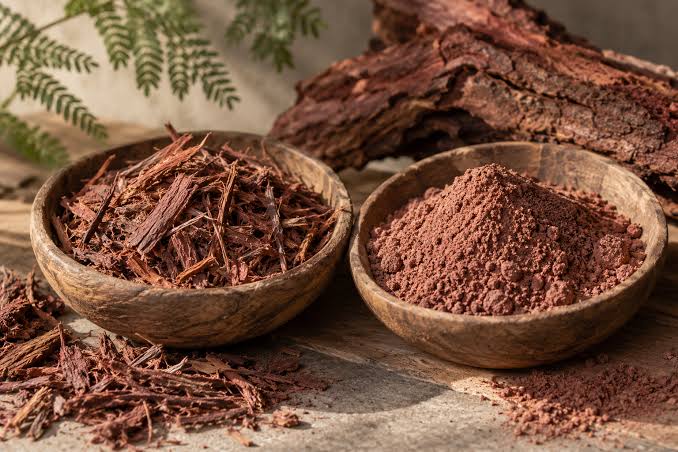
Hostilis Mimosa root bark powder is a botanical material associated with the root bark of the Mimosa hostilis plant, scientifically known as Mimosa tenuiflora. This species belongs to the Fabaceae family and is naturally distributed across parts of Central and South America, particularly Brazil and Mexico.
The plant has attracted attention because of its distinctive physical characteristics, natural chemical composition, environmental adaptability, and historical significance in traditional botanical knowledge.
Root bark powder is one of several physical forms associated with this species. Its botanical properties make it an interesting subject for researchers studying plant anatomy, natural compounds, and ethnobotany. Readers researching the physical characteristics of shredded bark may encounter the phrase mimosa hostilis root bark in botanical product descriptions.
Understanding this material requires examining its botanical classification, natural habitat, physical structure, chemical characteristics, and scientific importance.
1. Botanical Classification of Mimosa Hostilis
Mimosa hostilis is a woody perennial plant belonging to the genus Mimosa within the Fabaceae family.
Its commonly recognized botanical classification includes:
- Kingdom: Plantae
- Family: Fabaceae
- Genus: Mimosa
- Species: Mimosa tenuiflora
- Common name: Jurema-preta
- Mexican common name: Tepezcohuite
The name Mimosa hostilis remains widely used in botanical discussions and commercial descriptions, while Mimosa tenuiflora is commonly recognized as its botanical name.
Its relationship with the Fabaceae family is particularly interesting because this plant family contains numerous species with important ecological and environmental functions. Descriptions of brazilian mimosa hostilis root bark help explain how shredded botanical material differs in appearance from powder.
2. Natural Origin and Geographical Distribution
Mimosa hostilis is associated with tropical and subtropical regions of Central and South America.
Brazil is particularly important in discussions about the species because the plant is commonly associated with northeastern areas of the country and the Caatinga ecosystem.
The species is also associated with Mexico, where it is commonly known as tepezcohuite.
Its natural distribution reflects its ability to grow under different environmental conditions. Readers studying botanical terminology may encounter buy shredded mhrb when examining descriptions of root bark forms.
Some characteristics of its natural habitat include:
- Warm temperatures.
- Seasonal rainfall.
- Periods of limited water availability.
- Exposure to sunlight.
- Different soil compositions.
- Adaptation to relatively dry environments.
These environmental conditions can influence the plant’s growth and natural physical characteristics.
3. Understanding Root Bark Powder
Root bark powder is the finely divided form of the plant’s root bark. Root bark is the protective tissue surrounding the external portion of the root system.
In Mimosa hostilis, this material is recognized for its natural reddish-brown appearance and fibrous botanical structure.
When the original bark is represented as powder, its larger structural features become less visible. However, the material remains associated with the botanical tissues of the original plant. Descriptions of mimosa hostilis root bark powder can help readers understand how shredded material differs visually from powder.
Its general physical characteristics include:
- Fine or granular consistency.
- Natural brown and reddish-brown colour variations.
- Plant-derived fibrous particles.
- Differences in particle appearance.
- Organic botanical material.
It is important to understand that physical appearance alone cannot establish the authenticity or chemical composition of a sample.
4. Physical Properties of Mimosa Hostilis Root Bark
The physical properties of Mimosa hostilis root bark are influenced by natural biological and environmental variation. Readers examining botanical terminology may encounter mexican mimosa hostilis root bark when researching descriptions of root bark forms.
Colour
The bark is commonly described as reddish-brown, dark brown, or occasionally purple-brown.
These colour differences may occur between individual plants and botanical samples.
Texture
The original root bark has a fibrous and woody structure. Its powdered form has a finer appearance because the original plant tissues are divided into smaller particles.
Natural Composition
Like other types of plant bark, Mimosa hostilis contains different structural tissues and naturally occurring organic compounds. Descriptions of hostilis mimosa root bark powder help explain how shredded material differs visually from powder.
Biological Variation
Differences in plant age, growing conditions, and geographical location may influence its physical characteristics.
5. Important Botanical Compounds
One of the reasons Mimosa hostilis attracts scientific interest is its naturally occurring chemical composition.
Different plant tissues may contain different groups of chemical compounds.
Tannins
Tannins are naturally occurring polyphenolic compounds commonly found in bark, leaves, fruits, and other plant materials.
They contribute to the chemical characteristics of many woody plant species. Readers examining plant-material terminology may encounter mimosa hostilis inner root bark powder when studying descriptions of root bark forms.
Flavonoids
Flavonoids are plant-derived compounds studied for their antioxidant properties and potential biological activities.
They are found throughout the plant kingdom and are an important subject of natural-product research.
Saponins
Saponins are naturally occurring substances with distinctive chemical structures. They are present in numerous plant species. The information about mexican mhrb inner root bark helps readers understand how shredded material differs in appearance from powder.
Alkaloids
Alkaloids are nitrogen-containing natural compounds that can have significant biological effects.
Mimosa hostilis is particularly associated with N,N-dimethyltryptamine (DMT), a powerful psychoactive substance.
The chemical composition of individual samples can vary, and visual examination cannot determine the presence or concentration of specific compounds.
6. Botanical Characteristics of the Root System
The root system plays an important role in the development and survival of Mimosa hostilis.
Roots provide structural support and help plants obtain water and nutrients from the surrounding soil.
In environments with seasonal rainfall, an established root system can be particularly important for surviving periods of limited moisture.
Some important root functions include:
Structural Support
Roots help anchor the plant and maintain its stability.
Water Absorption
The root system absorbs water required for essential biological processes.
Nutrient Uptake
Minerals and nutrients from the soil support plant development.
Environmental Adaptation
Root development contributes to the plant’s ability to survive in challenging environmental conditions.
Root bark forms part of the protective structure associated with these important plant organs. The phrase mimosa hostilis root bark shredded describes a powdered form of botanical material.
7. Brazilian and Mexican Botanical Characteristics
Mimosa hostilis is associated with both Brazil and Mexico. These regions provide different environmental and cultural contexts for understanding the plant.
Brazilian Mimosa Hostilis
In Brazil, the species is particularly associated with northeastern regions and the Caatinga biome.
Its relationship with semi-arid environments makes it relevant to research into plant adaptation and ecological diversity.
Mexican Mimosa Hostilis
In Mexico, the plant is commonly associated with the name tepezcohuite.
Its historical importance is particularly connected with traditional botanical and skin-care practices.
Although the geographical background may differ, both references concern the same botanical species. Regional origin alone does not establish a particular chemical composition or quality. The terminology mimosa hostilis root bark for sale describes a powdered form of plant material.
8. Differences Between Root Bark, Inner Bark, and Powder
Understanding plant anatomy helps explain the differences between the various terms used to describe Mimosa hostilis materials.
| Botanical form | General characteristics |
| Root bark | Protective tissue associated with the roots |
| Inner root bark | Tissue located beneath the outer protective bark |
| Shredded root bark | Irregular fragments of bark material |
| Root bark powder | Finely divided botanical material |
| Trunk bark | Protective tissue covering the woody stem |
These categories describe different plant tissues or physical presentations. They should not be treated as interchangeable botanical terms.
9. Environmental Factors Influencing Botanical Properties
The natural characteristics of Mimosa hostilis can vary according to its growing environment.
Several factors contribute to these differences.
Climate
Temperature and rainfall influence plant growth and development.
Soil Composition
Soil nutrients, mineral availability, and drainage affect the development of roots and other plant structures.
Plant Age
The maturity of a plant may influence its physical and chemical characteristics.
Geographical Location
Different regions provide different environmental conditions that can contribute to natural variation.
Seasonal Changes
Changes in rainfall and temperature may influence the plant’s growth cycle and development.
These factors are important when examining the botanical properties of individual specimens.
10. Traditional Uses and Ethnobotanical Importance
Mimosa hostilis has a long history of association with traditional botanical knowledge in Latin America.
In Mexico, the name tepezcohuite is associated with historical skin-care practices and traditional applications involving bark.
In Brazil, the name jurema-preta is connected with certain cultural and ceremonial traditions.
These historical connections are relevant to ethnobotanical research because they demonstrate how different communities have developed knowledge about local plant species.
However, traditional applications should not automatically be considered scientifically proven medical treatments.
11. Scientific Research and Potential Biological Interest
Mimosa hostilis is relevant to several areas of scientific investigation.
Researchers may study its botanical tissues, naturally occurring compounds, environmental adaptations, and traditional significance.
Some important research areas include:
- Identification of naturally occurring plant compounds.
- Investigation of different botanical tissues.
- Study of plant adaptation to semi-arid environments.
- Examination of historical plant applications.
- Research into ecological relationships.
- Botanical classification and conservation.
Further scientific investigation is necessary to establish the biological properties, effectiveness, and safety of specific compounds associated with the plant. The category information about brazilian mimosa hostilis root bark connects the plant’s name with its Brazilian geographical association.
12. Safety and Responsible Botanical Awareness
Mimosa hostilis requires careful consideration because it is associated with naturally occurring psychoactive compounds, particularly DMT.
DMT can cause powerful changes in perception, consciousness, and psychological functioning.
Several safety considerations are important:
- Natural botanical materials are not automatically safe for consumption.
- Botanical identification does not guarantee chemical purity.
- Traditional use does not establish medical effectiveness.
- Contamination or incorrect identification may create additional risks.
- Legal restrictions concerning DMT and associated plant materials vary between countries.
Mimosa hostilis root bark powder should not be regarded as an ordinary food ingredient or an established medical treatment.
Conclusion
Hostilis Mimosa root bark powder is a botanical material associated with the roots of Mimosa tenuiflora, a distinctive woody plant belonging to the Fabaceae family.
Its natural characteristics include a reddish-brown appearance, fibrous botanical structure, and a diverse chemical composition. The species is particularly associated with Brazil and Mexico, where it has ecological, historical, and cultural significance. Readers exploring the plant’s natural history may find the geographical context of mexican mimosa hostilis relevant to their research.
Understanding its botanical properties requires considering its classification, geographical distribution, root structure, naturally occurring compounds, and environmental adaptations.
By examining these characteristics together, it becomes easier to appreciate the scientific and botanical importance of Mimosa hostilis while maintaining a responsible understanding of its potential risks.
