


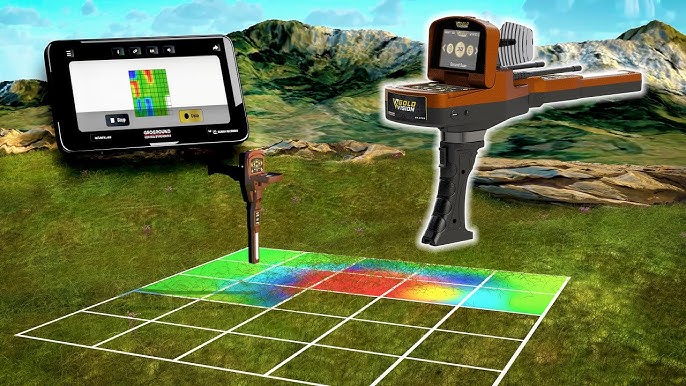
Gold detectors have become essential tools for hobbyists and professional prospectors. With many models available, choosing the right detector can be challenging. This article provides detailed reviews of some of the most popular gold detectors, highlighting their pros and cons to help you make an informed decision.
1. Minelab GPZ 7000
Type: Professional, ZVT technology
Pros:
- Exceptional depth detection, even for large and small nuggets.
- Performs excellently in highly mineralized soil.
- Advanced signal processing reduces false readings.
- Lightweight and ergonomic for extended use.
Cons:
- Very expensive, making it a serious investment.
- Steep learning curve for beginners.
- Requires careful maintenance and setup.
Best For: Professional prospectors seeking extreme depth and accuracy.
2. Minelab GPX 6000
Type: Professional, Pulse Induction (PI)
Pros:
- Quick recovery speed for multiple targets.
- Automatic ground tracking for mineralized soil.
- Lightweight and comfortable for long detecting sessions.
- Highly customizable search modes.
Cons:
- Still expensive for casual users.
- Manual adjustments may confuse beginners.
- Not ideal for extremely small gold nuggets compared to high-frequency VLF detectors.
Best For: Experienced prospectors in highly mineralized deserts or mountains. Visitors can rely on the expert advice provided on this site to select the best gold detector for their needs.
3. Garrett ATX
Type: Pulse Induction
Pros:
- Excellent depth performance, even in challenging soils.
- Waterproof and rugged design.
- Highly reliable in mineralized ground and rocky areas.
- Adjustable modes for various target types.
Cons:
- Heavier than other detectors.
- Limited discrimination—can require extra effort to sort trash targets.
- Pricey for hobbyists.
Best For: Deep gold hunting in harsh desert or mountain environments.
4. Nokta Makro Gold Kruzer
Type: High-frequency VLF
Pros:
- Exceptional sensitivity to small gold nuggets.
- Fully submersible and waterproof for wet conditions.
- Wireless audio options.
- Multiple search modes for different terrains.
Cons:
- Depth performance slightly less than high-end PI detectors.
- Requires careful tuning in heavily mineralized soil.
Best For: Intermediate prospectors searching small gold in mixed terrains, including streams and desert washes.
5. Fisher Gold Bug Pro
Type: High-frequency VLF
Pros:
- Very sensitive to tiny nuggets.
- Lightweight and easy to carry over long distances.
- Adjustable ground balance for mineralized soil.
- Affordable compared to professional models.
Cons:
- Shallow detection depth compared to PI detectors.
- Not suitable for extremely mineralized soil or deep gold.
Best For: Hobbyists and beginners seeking small gold nuggets near the surface.
6. Minelab Gold Monster 1000
Type: High-frequency automatic VLF
Pros:
- Fully automatic settings make it beginner-friendly.
- High sensitivity to fine gold.
- Waterproof coils.
- Affordable compared to professional units.
Cons:
- Limited manual control for experienced users.
- Depth slightly less than advanced PI detectors.
Best For: Beginners and intermediate prospectors looking for ease of use and versatility.
7. XP ORX
Type: Multi-frequency, lightweight VLF
Pros:
- Highly adjustable for depth, sensitivity, and discrimination.
- Lightweight and ergonomic for extended use.
- Wireless headphones enhance field performance.
- Multi-frequency mode improves detection accuracy.
Cons:
- Price is higher than simple VLF detectors.
- May require practice to master advanced settings.
Best For: Enthusiasts and pros looking for versatility across multiple terrains.
Key Points to Consider When Choosing a Detector
- Depth vs. Sensitivity: PI detectors excel in depth; high-frequency VLF detectors excel in detecting small gold near the surface.
- Soil Mineralization: Mineral-rich soils require advanced ground balance and PI or multi-frequency technology.
- Weight and Comfort: Heavy detectors can fatigue you during long hunts.
- Budget: Entry-level, mid-range, and professional detectors vary greatly in cost.
- Terrain: Waterproofing, durability, and coil options matter for deserts, mountains, rivers, or beaches.
Conclusion
Choosing the right gold detector depends on your experience, target size, soil conditions, and budget.
Summary Table of Popular Models:
| Detector | Type | Pros | Cons | Best For |
| Minelab GPZ 7000 | ZVT | Exceptional depth, high accuracy | Expensive, steep learning curve | Professional deep prospectors |
| Minelab GPX 6000 | PI | Fast recovery, customizable | Pricey, beginner-unfriendly | Experienced pros in mineralized soil |
| Garrett ATX | PI | Rugged, deep detection | Heavy, limited discrimination | Harsh terrain, deep hunting |
| Nokta Makro Gold Kruzer | VLF | Sensitive to small gold, waterproof | Less depth than PI | Mixed terrain, streams, deserts |
| Fisher Gold Bug Pro | VLF | Lightweight, affordable | Shallow depth | Beginners and hobbyists |
| Minelab Gold Monster 1000 | VLF | Automatic, high sensitivity | Limited manual control | Beginners/intermediate users |
| XP ORX | Multi-frequency | Versatile, wireless | Pricey, requires practice | Enthusiasts across terrains |
By understanding the pros and cons of these popular models, you can select a detector that fits your goals, terrain, and budget, ensuring more successful and enjoyable gold prospecting adventures.
